Description
Classificado como percurso de natureza ribeirinho, combina elementos de profunda ruralidade, como a agricultura em socalcos e muros de xisto, com vestígios de atividade industrial, nas antigas e desativadas minas de chumbo de Barbadalhos, e a beleza paisagística proporcionada pelo vale fluvial do rio Mondego, numa composição artística formada pelas encostas de pendor mais ou menos acentuado e o majestoso curso de água que rasga a paisagem, numa simbiose perfeita entre os elemento naturais e os humanizados.
Este percurso linear, cujo traçado implica o retorno pelo mesmo caminho, permite uma constante interação com o rio Mondego através do vale fluvial, num processo educativo e de descoberta daquilo que foi e ainda é a relação das populações locais com o rio, o seu recurso mais precioso, e a fauna e flora envolventes.
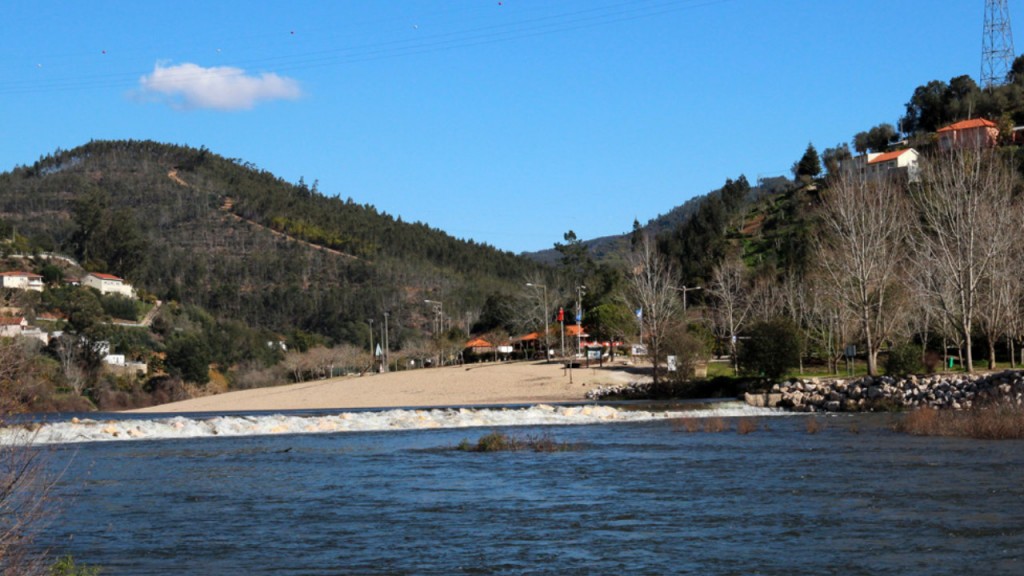
Com início na Praia Fluvial de Palheiros, detentora dos galardões de Praia Acessível, Bandeira Azul e Qualidade de Ouro, com bar e parque de merendas, o percurso segue o rio por antigos e estreitos caminhos de cabras, ladeados por muros de xisto (com função de barreira de suporte dos solos) até às ruínas da mina de chumbo de Barbadalhos, cuja exploração mineira ocorreu nos séc. XIX e XX. Apesar da mina estar abandonada, ainda é possível identificar os locais de extração, produção e transporte (embarcadouro), assim como a denominada Torre da Mina, onde ocorria a fundição do chumbo.
Junto à praia fluvial existe uma passagem para peixes de extrema importância para a conservação de espécies como o sável, a enguia-europeia, a lampreia-marinha ou o ruivaco. Só através desta estrutura é possível avançarem mais para montante e, muitas vezes, concluírem o seu ciclo reprodutor.
Ao longo do percurso é possível contemplar a galeria ripícola das margens do rio e uma paisagem fortemente marcada pela ação do Homem, com campos de cultivo, pomares, olivais e eucaliptais. Pontualmente surgem vestígios da vegetação natural, como sobreiros, castanheiros, carvalho-alvarinho, acompanhados por medronheiros, sanguinho-das-sebes, folhado, murta e gilbardeira.
Junto aos muros é possível observar uma vegetação rupícola característica, como os musgos e alguns fetos. Nas plantas vasculares podemos observar algumas espécies de Sedum e umbigo-de-vénus. Entre as espécies invasoras sobressai a acácia-mimosa. Com olhos e ouvidos atentos é possível constatar a diversidade da fauna, composta por pica-pau-malhado-grande, melro, alvéola-branca, gaio, chapim-azul, entre outros.
A parte final do percurso segue o leito do rio, permitindo ao visitante desfrutar de uma magnífica galeria ripícola, essencialmente composta por salgueiro, amieiros, freixos, carvalho-alvarinho e choupos e de onde também pode descobrir a águia-de-asa-redonda e o milhafre-preto, bem como avistar a lontra, a garça-real ou o guarda-rios.