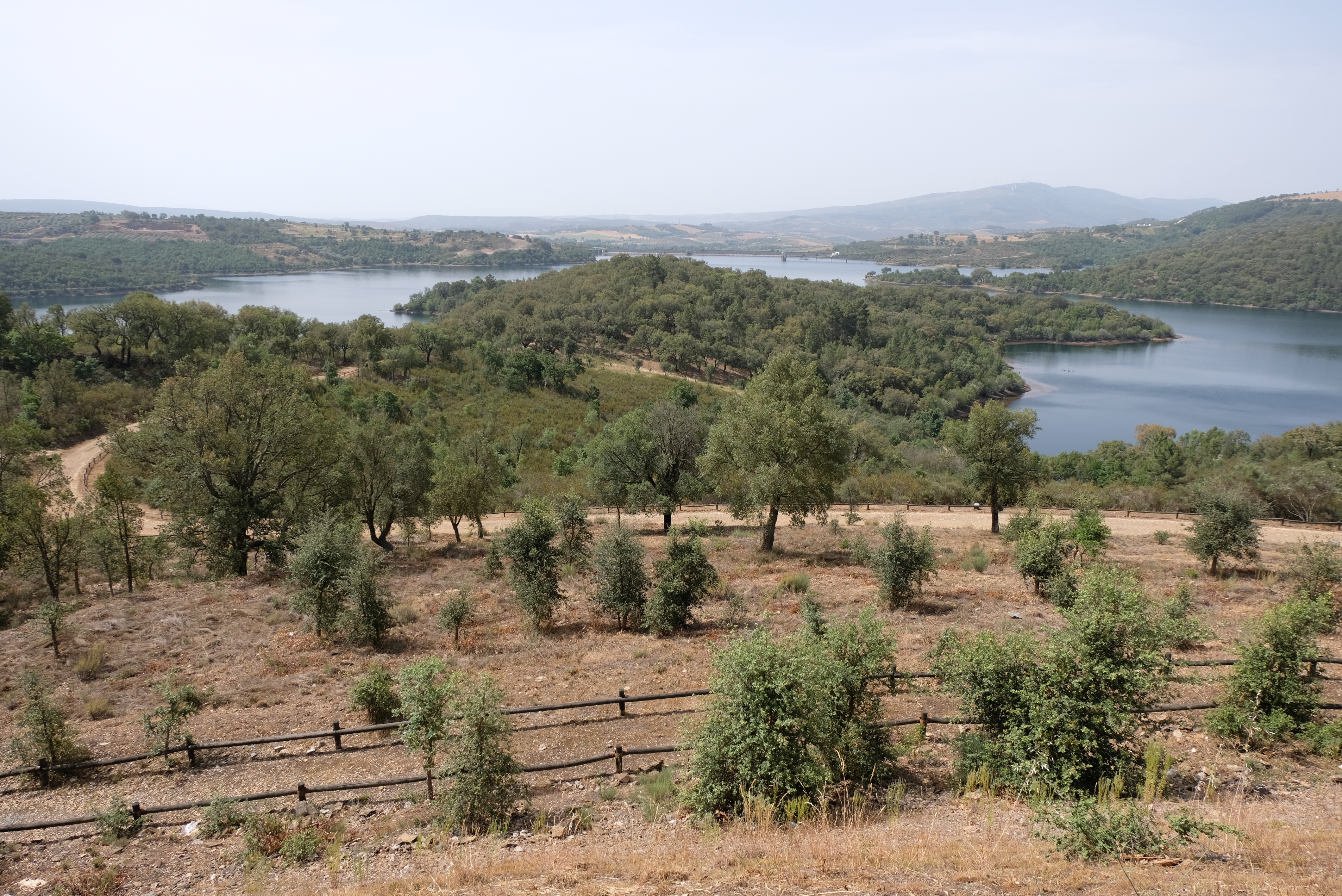
Segurança nos Trilhos
Guia Completo para Caminhadas e BTT em Portugal
Explorar trilhos naturais a pé ou de bicicleta é uma das melhores formas de conhecer Portugal, melhorar a saúde física e mental e desfrutar da natureza de forma sustentável. No entanto, trilhos de montanha, florestais ou costeiros apresentam riscos naturais que devem ser compreendidos e geridos de forma responsável.
Este guia completo sobre segurança nos trilhos foi criado para ajudar caminhantes e praticantes de BTT a planear melhor as suas atividades, evitar acidentes e agir corretamente em situações de emergência. Seja iniciante ou experiente, seguir boas práticas de segurança é essencial para garantir uma experiência positiva e segura ao ar livre.
1. Porque a Segurança nos Trilhos é Fundamental
A maioria dos acidentes em trilhos ocorre por:
- Falta de planeamento
- Subestimação do percurso
- Equipamento inadequado
- Alterações súbitas do tempo
- Desorientação
Em Portugal, muitos trilhos atravessam zonas remotas sem cobertura de rede móvel, o que reforça a importância da prevenção. Uma boa preparação reduz drasticamente o risco de quedas, exaustão, desidratação, hipotermia ou perda de orientação.
2. Planeamento Antes de Ir para o Trilho
2.1 Escolher o trilho adequado
Antes de sair, avalia:
- Distância total
- Desnível acumulado
- Tipo de terreno
- Exposição ao sol ou vento
- Tempo médio estimado
Escolhe percursos compatíveis com a tua condição física, experiência técnica e tempo disponível.
2.2 Consultar meteorologia e condições do terreno
Verifica:
- Previsão meteorológica local
- Temperatura máxima e mínima
- Probabilidade de chuva, vento ou trovoadas
- Estado do terreno (lama, gelo, escorregadio)
Evita trilhos em dias de calor extremo, tempestade, nevoeiro denso ou risco de incêndio florestal.
2.3 Informar terceiros sobre o teu percurso
Antes de sair:
- Diz a alguém onde vais
- Indica o percurso planeado
- Partilha hora prevista de regresso
Em trilhos remotos, esta prática pode ser decisiva em caso de emergência.
3. Equipamento Essencial para Segurança nos Trilhos
3.1 Caminhadas (Hiking / Trekking)
Equipamento mínimo recomendado:
- Calçado de trilho com boa aderência
- Mochila confortável
- Água (mín. 1,5–2L por pessoa)
- Snacks energéticos
- Chapéu, protetor solar e óculos
- Casaco impermeável/corta-vento
- Telemóvel com bateria carregada
- Kit básico de primeiros socorros
- Lanterna ou frontal
3.2 BTT (Mountain Bike)
Além do equipamento base:
- Capacete obrigatório
- Luvas
- Óculos de proteção
- Kit de reparação (câmara, bomba, desmontas)
- Multitool
- Luz traseira/intermitente em zonas partilhadas
3.3 Equipamento tecnológico útil
- GPS dedicado ou smartwatch
- Apps offline (Komoot, AllTrails, Wikiloc)
- Power bank
- Mapas físicos como backup
4. Navegação e Orientação no Terreno
4.1 Conhecer a sinalização oficial
Em Portugal, os trilhos pedestres são normalmente marcados com:
- PR – Pequena Rota (amarelo/vermelho)
- GR – Grande Rota (branco/vermelho)
- E – Percursos europeus
Aprender a interpretar estas marcações ajuda a evitar desvios perigosos.
4.2 Não confiar exclusivamente no GPS
Embora útil, o GPS pode falhar por:
- Falta de bateria
- Falta de sinal
- Mapas desatualizados
Leva sempre um plano B: mapa offline ou percurso previamente memorizado.
5. Segurança Durante a Caminhada ou Percurso BTT
5.1 Ritmo e gestão de esforço
- Mantém um ritmo confortável
- Faz pausas regulares
- Alimenta-te e hidrata-te frequentemente
Evita forçar subidas longas sem descanso, especialmente em dias quentes.
5.2 Atenção ao terreno
Fica atento a:
- Pedras soltas
- Raízes expostas
- Lama e folhas molhadas
- Trilhos estreitos em encostas
No BTT, reduz velocidade em zonas técnicas e curvas cegas.
5.3 Caminhar ou pedalar em grupo
- Vai acompanhado sempre que possível
- Mantém contacto visual
- Usa comunicação verbal em zonas técnicas
6. Riscos Naturais Mais Comuns nos Trilhos
6.1 Calor extremo e insolação
Sintomas:
- Tonturas
- Náuseas
- Confusão
- Dor de cabeça
Prevenção:
- Começar cedo
- Usar chapéu
- Beber água regularmente
6.2 Hipotermia e frio
Mesmo em Portugal, pode ocorrer em:
- Zonas de altitude
- Dias chuvosos ou ventosos
- Trilhos longos
Leva sempre uma camada extra de roupa.
6.3 Fauna selvagem
- Não te aproximes de javalis ou gado
- Mantém distância de cães de guarda
- Nunca alimentes animais selvagens
6.4 Terrenos instáveis e quedas
A principal causa de acidentes em trilhos é:
- Escorregar
- Tropeçar
- Quedas em descidas técnicas
Usa bastões de caminhada se necessário e calçado adequado.
7. O Que Fazer em Caso de Acidente ou Emergência
7.1 Avaliar a situação
- Verifica se a pessoa está consciente
- Controla hemorragias
- Evita movimentar vítimas com suspeita de fratura
7.2 Contactar ajuda
Em Portugal:
???? 112 — Número único de emergência
Se não houver rede:
- Tenta deslocar-te para zonas elevadas
- Usa GPS para fornecer coordenadas
- Aciona dispositivos SOS, se disponíveis
7.3 Manter a vítima estável
- Mantém-na quente
- Evita desidratação
- Acalma-a até chegada de ajuda
8. Segurança em Trilhos para Iniciantes
Se estás a começar:
- Escolhe trilhos curtos e bem marcados
- Evita ir sozinho
- Prefere percursos circulares
- Começa em zonas próximas de áreas urbanas
Com o tempo, aumenta gradualmente distância e dificuldade.
9. Segurança Específica para Trilhos BTT
9.1 Regras essenciais
- Usa sempre capacete
- Mantém distância de outros ciclistas
- Controla a velocidade em trilhos partilhados
- Dá prioridade a caminhantes
9.2 Manutenção da bicicleta
Antes de sair:
- Verifica travões
- Testa mudanças
- Confirma pressão dos pneus
- Lubrifica corrente
9.3 Técnicas de condução segura
- Olhar à frente, não para a roda
- Manter peso equilibrado em descidas
- Travar progressivamente
- Descer da bicicleta se necessário
10. Segurança Ambiental e Responsabilidade
A segurança também inclui proteger o meio ambiente:
- Não sair dos trilhos marcados
- Não deixar lixo
- Respeitar fauna e flora
- Não fazer fogueiras
- Evitar ruído excessivo
Seguir princípios de Leave No Trace preserva os trilhos e reduz riscos para todos.
11. Checklist Rápido de Segurança nos Trilhos
Antes de sair:
- ✔ Verificar meteorologia
- ✔ Escolher trilho adequado
- ✔ Informar alguém
- ✔ Levar água e comida
- ✔ Equipamento adequado
- ✔ Telemóvel carregado
- ✔ Kit primeiros socorros
Durante o percurso:
- ✔ Manter ritmo confortável
- ✔ Respeitar sinalização
- ✔ Evitar atalhos
- ✔ Monitorizar estado físico
12. Perguntas Frequentes (FAQ)
É seguro fazer trilhos sozinho em Portugal?
Na maioria dos casos, sim, desde que escolhas trilhos bem marcados, informes alguém do teu percurso e estejas preparado para emergências.
Quantos litros de água devo levar para uma caminhada?
Em média, 0,5L por hora de atividade, aumentando em dias quentes ou trilhos exigentes.
É obrigatório usar capacete em trilhos BTT?
Embora não seja legalmente obrigatório fora da via pública, é altamente recomendado por razões de segurança.
Que fazer se me perder num trilho?
Mantém a calma, tenta regressar ao último ponto conhecido, consulta mapas offline e evita avançar sem orientação clara.
Posso caminhar em trilhos durante o verão em Portugal?
Sim, mas privilegia horários cedo ou ao final do dia, hidrata-te bem e evita trilhos expostos ao sol nas horas de maior calor.
Conclusão
A segurança nos trilhos é uma responsabilidade partilhada entre cada praticante e a comunidade. Um bom planeamento, equipamento adequado e atitude prudente são os pilares de uma experiência segura e gratificante ao ar livre.
Seguindo estas recomendações, poderás explorar os trilhos de Portugal com confiança, respeito pela natureza e máximo aproveitamento da experiência.

